
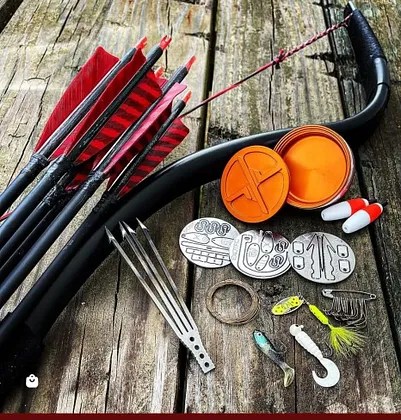
The bow is one of humanity’s oldest tools, yet it remains remarkably relevant today. Simple in design but rich in capability, it bridges history, sport, and survival. Its versatility—spanning hunting, fishing, survival skills, and target shooting—makes it far more than a weapon. It’s a teacher of patience, discipline, and self-reliance.
Hunting with a bow connects you deeply to the natural world. Unlike modern equipment that can create distance between the hunter and the experience, archery requires you to slow down, read the environment, and move with intention.
Success depends on understanding animal behavior, wind direction, terrain, and timing. Bowhunting isn’t about force; it’s about awareness and respect. That process builds patience and humility. You learn that preparation matters more than impulse, and that ethical responsibility comes first.
Fishing with archery equipment, often called bowfishing, adds another dimension of skill. It challenges hand-eye coordination and quick decision-making.
The refraction of light in water means you must adjust your aim—requiring focus and adaptability. Bowfishing blends precision with observation, sharpening your ability to read subtle environmental cues. It’s a reminder that nature doesn’t always behave the way you expect, and flexibility is key.
In survival situations, the bow stands out for its practicality. It’s reusable, relatively quiet, and can serve multiple purposes. Beyond procuring food, the discipline learned through archery—calm breathing, steady hands, clear thinking—can be invaluable under stress.
Practicing with a bow fosters a mindset of preparedness rather than panic. It encourages you to think ahead, conserve resources, and act deliberately instead of reactively.
Target shooting, whether recreational or competitive, refines concentration and mental control. Archery demands consistency. Your stance, grip, breathing, and release all matter. Small mistakes are visible in the result, which means you receive immediate feedback.
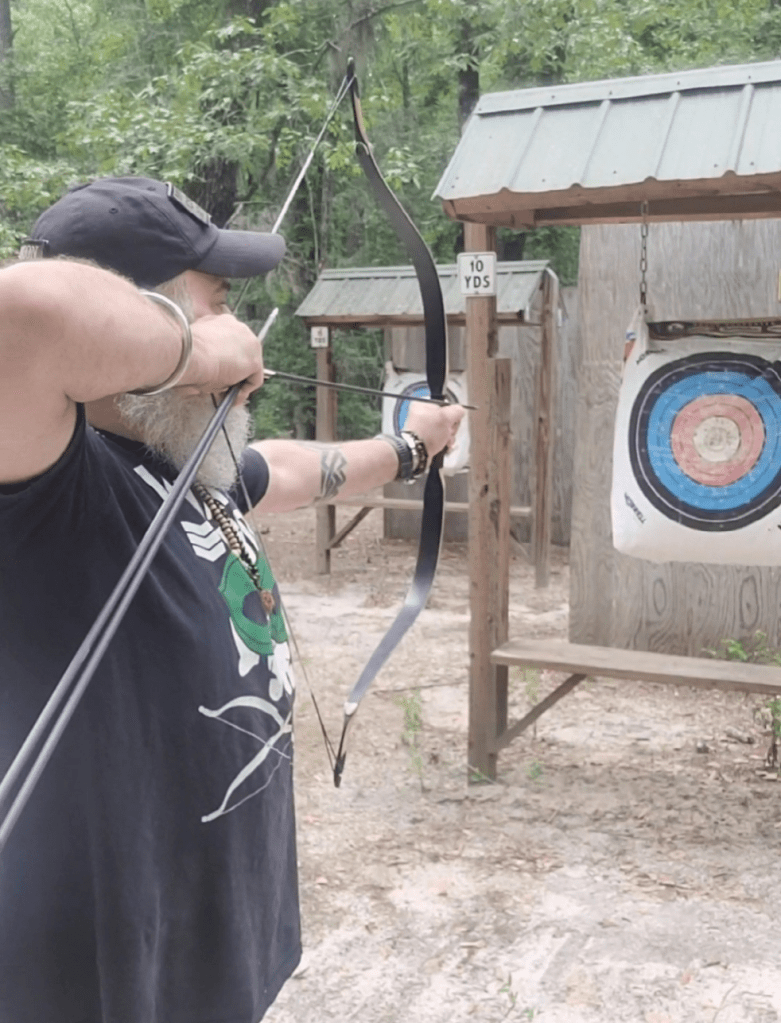
Over time, this cultivates self-awareness and accountability. You can’t blame the bow or the target—you must refine yourself. Many archers describe the sport as meditative. Drawing, aiming, releasing—it becomes a rhythm that quiets distractions and sharpens focus.
Together, these applications shape more than physical skill—they shape character.
Patience grows as you wait for the right shot.
Discipline develops through repeated practice.
Respect deepens for nature, equipment, and personal limits.
Confidence builds as your consistency improves.
Resilience strengthens when you miss the mark but keep practicing.
Archery teaches that mastery isn’t loud or rushed. It’s steady, controlled, and earned over time. In a fast-paced world of instant results, the bow reminds you that meaningful growth takes effort and attention.
Ultimately, the versatility of the bow reflects the versatility you develop within yourself. Whether in the woods, by the water, in a survival scenario, or on the range, the lessons carry over into daily life: slow down, aim carefully, act with purpose—and accept responsibility for where your arrow lands.






 ODINSON ARCHERY